Seasonal Desk Refresh: Small Routines That Keep Notes Useful Year-Round
When the light changes or the calendar flips to a new season, your desk often needs a corresponding nudge. Not because it’s been catastrophically messy, but because small habits and the same pile of loose notes slowly make life harder. A short, seasonal refresh—done in an hour or less—keeps your capture tools sharp and your paper systems useful without a big overhaul.
1. Surface Triage: What Stays Visible and What Gets Put Away
Your desk surface is both a working canvas and a visual checklist. Over time it accumulates distractions: old receipts, sticky notes that lost their meaning, and one-off scribbles. A quick triage resets the canvas so only active work remains.
- Start with a clean sweep. Set a 15–20 minute timer. Clear everything into two piles: “Keep on desk” and “Put away.” If a paper belongs in a notebook, transfer it now.
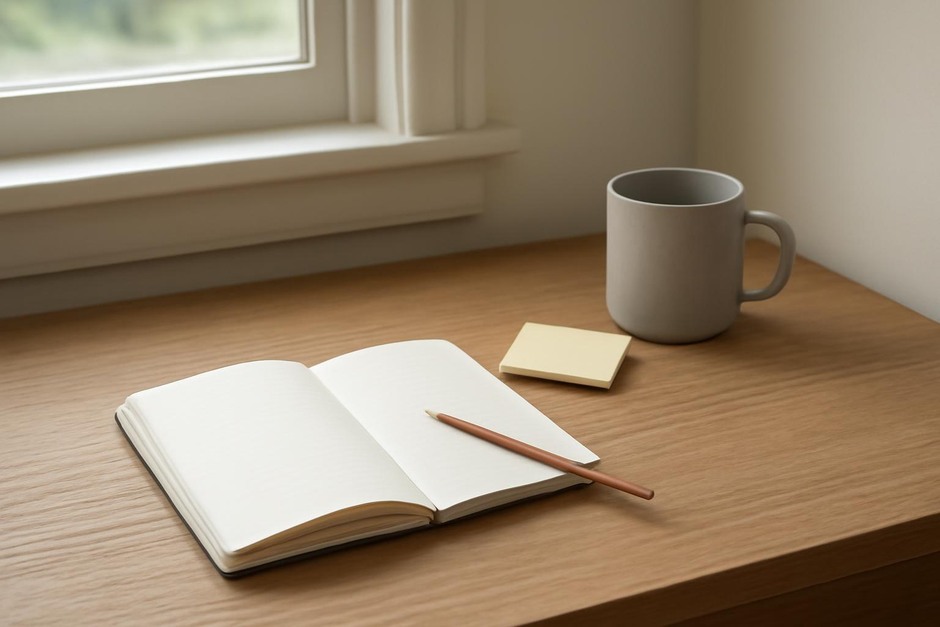
- Deal with sticky notes. If a sticky contains action, move it to your current task list or notebook. If it’s information you might need later, photograph it and file the photo, or rewrite the important part into a permanent location.
- Create a quick “temporary inbox.” Use a small tray or a folded piece of cardstock labeled INBOX. Limit it to one shallow pile so items don’t bury each other.
2. Refresh Your Capture Tools: Notebooks, Pens, and the Tools You Trust
Capture tools wear out in usefulness before they literally wear out. A seasonal check helps you avoid the awkward moment when your preferred pen is dried up or the notebook you need is buried.
- Assess your active notebook. Is it easy to flip through? If the current notebook is too full or too disorganized, move open projects to a new volume and add an index page to the old one for quick lookup.
- Replace consumables. Refill lead, ink, or sticky notes now rather than when you need them mid-task. Keep a small stash in a labeled drawer or box.
- Standardize your go-to pen or pencil. Choose one or two preferred tools and keep them visible. Using consistent tools speeds handwriting recognition and makes scanned notes look cleaner.
3. Revisit Paper Systems: Where Notes Live and How to Retrieve Them
Paper systems aren’t set-it-and-forget-it. They benefit from seasonal calibration: archived notes get moved, active lists are consolidated, and reference materials are sorted so retrieval feels effortless.
- Archive old weekly notes. If you keep weekly or daily note pages, move completed weeks to a labeled box or shelf. Add a simple index card for quick topic lookup if you refer to them occasionally.
- Consolidate loose notes. Spend 10–15 minutes deciding for each loose sheet whether to transcribe it into a notebook, tuck it behind a project divider, or discard it. The goal is to reduce the number of stand-alone papers you might forget.
- Refresh reference zones. If you keep reference pages—cheat sheets, frequently used measurements, or contact info—place them in the most natural location: on a clipboard, in a folded booklet, or inside the front cover of a reference notebook.
4. Small Rituals That Keep the System Working
A seasonal refresh matters most when supported by small, regular rituals. Choose rituals that fit your rhythm so the next refresh is lighter than the last.
- Weekly five-minute snapshot. Once a week, take five minutes to clear obvious clutter, capture any loose ideas into your notebook, and check your inbox tray.
- Monthly quick index. On the first day of the month, add key topics from the previous month to a running index or tag them in whatever system you use. This prevents notes from becoming orphans.
- End-of-season closet check. Every three months, look through storage boxes and remove or rehome things you no longer reference. Keep what you use; let go of what you don’t.
Measured Conclusion
A seasonal desk refresh is less about perfection and more about intentional maintenance. By treating your desk as a working ecosystem—surface, capture tools, paper systems, and sustaining rituals—you make small, repeatable decisions that preserve the usefulness of handwritten notes. Do the refresh at the change of a season or whenever you notice your desk becoming noisier than helpful. The work you do now saves time and friction later: clearer surfaces, faster retrieval, and a capture setup that stays honest to how you actually work.